Los Angeles, CA · Los Angeles County
Library Damage Restoration in Los Angeles, CALibrary Sewage Cleanup & Library Mold Remediation
Library Damage Restoration in Los Angeles covers library storm damage repair, library mold remediation and emergency library water extraction.
Answered 24/7
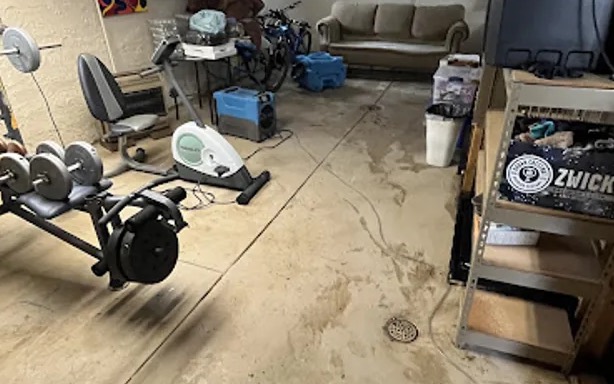
Professional Library Damage Restoration in Los Angeles, CA
In Los Angeles, libraries hold irreplaceable books, documents and archives that moisture, fire and contaminants can ruin. A fast, specialized response prevents permanent loss of collections the community depends on.
Library damage restoration for properties in Los Angeles and nearby areas like Vernon, Maywood and Commerce addresses the specific challenges of protecting bound collections and electronic media from water, mold and fire.
Library Damage Restoration Services in Los Angeles
Library Sewage Cleanup
A sewer line issue can release hazardous waste into a library. Sewage cleanup experts use professional-grade equipment for extraction. The area is treated with EPA-registered antimicrobial solutions. This remediation protects patrons and staff from potential biohazards.
Library Mold Remediation
Persistent humidity or past water damage can cause library mold issues. The pros in Los Angeles perform detailed inspections and moisture mapping.
Library Water Damage Restoration
A leaking roof or burst pipe can quickly flood a library space. Specialized drying equipment targets paper materials and wooden shelves. Early work by the pros minimizes permanent damage to library assets.
Library Storm Damage Repair
Wind-driven rain or falling debris can breach library exteriors. The experts assess and document all storm-related damage. Quick action helps mitigate long-term damage to library assets.
Emergency Library Water Extraction
When water invades a library, every minute counts for saving books and archives. Local pros deploy industrial-grade extractors to remove bulk water.
Signs of Water Damage in Los Angeles Libraries
Visible Water Stains on Shelves
Discoloration or warping on wooden shelves often means moisture is getting in.
Condensation on Windows and Glass
Excess humidity inside the library leads to condensation, promoting mold and damaging book bindings and archival materials.
Sewage Backup in Restroom Drains
Sewage overflow from public restrooms poses a severe biohazard risk to the entire library collection and space.
Storm Damage to Roof or Windows
Missing shingles or broken windows after a storm can allow water into the building, risking library archive recovery.
How Library Damage Restoration Works in Los Angeles
Step 1: Hazard Containment and Safety Setup
The area is made safe first, with barriers around sewage or soot to protect clean areas.
Step 2: Structural Drying and Dehumidification
Focused drying targets hidden moisture in walls, ceilings, and under floors. Professional-grade dehumidifiers work continuously to achieve proper drying goals.
Step 3: Mold Remediation and Air Scrubbing
If mold is discovered, the experts use HEPA filtration and air scrubbers to clean the air while removing and treating affected materials.
Step 4: Final Sanitization and Odor Neutralization
The space receives a final sanitization. Advanced odor removal techniques, such as thermal fogging, are used to eliminate any lingering smoke or mildew smells.
Typical Sources of Library Flooding and Leaks
Sewer Line Backups and Overflows
Blocked sewer lines or building drains can push contaminated water back into the library.
Improper Ventilation in Storage Areas
Stale, humid air in closed stacks or storage rooms lets mold grow on books and shelving.
Burst Pipes or Plumbing Failures
Failing pipes inside walls or ceilings can release large amounts of water into the library.
Fire Suppression System Activation
Sprinkler discharge, while saving the structure, soaks books and documents, creating a major water damage and soot cleanup project.
Complete Library Damage Restoration for Los Angeles Community Libraries
Water Damage Help for Homes
Homeowners with large book collections may need book drying after a leak or spill. The pros in Los Angeles dry the books and shelves and document the damage for your insurance claim.
Library Damage Restoration for Owners and Managers
Institutional libraries require book restoration professionals for delicate archive recovery after fire or water events. Library fire damage restoration focuses on soot removal and odor control for the building and collections.
Library Damage Restoration - The Limits of DIY in Los Angeles
After a small, contained incident, wiping down non-porous surfaces with a mild detergent solution may be possible. Homeowners should never attempt to clean sewage from porous materials like books or carpet.
What Influences Library Damage Restoration Pricing in Los Angeles
Accessibility to the damaged library areas and the need for after-hours work to minimize public disruption can affect labor scheduling. Projects in historical buildings with preservation rules may have unique requirements.
Damage Severity
A minor leak in a corner differs from a ceiling collapse that soaked entire stacks.
Material Type
Delicate vellum, leather bindings, and acidic modern paper each react differently to moisture. Fragile or historical items need specialized recovery.
Drying Duration
Books and documents dry slowly to prevent warping and mold. Extended humidity control with professional dehumidifiers runs for days, affecting resource use.
Does Insurance Cover Library Damage Restoration?
Coverage decisions belong solely to the insurance company. The pros provide detailed documentation, but a homeowner must confirm coverage limits and deductibles directly with their insurer. Policy terms ultimately determine what restoration work is covered.
The Value of Local Library Water Extraction Experts for Library Damage Restoration
24/7 Emergency Response
Damage doesn't wait for business hours. Immediate library water extraction helps prevent irreversible harm to paper, bindings, and building materials.
Detailed Documentation
Thorough notes, photos, and moisture maps are created for your records. This documentation provides a clear account of the damage and restoration steps.
Specialized Document Recovery
Book and document drying uses controlled temperature and humidity environments. This stabilizes pages and prevents mold on paper.
24/7 Library Damage Restoration Available in Los Angeles
Sewage backup in a library poses health risks and can destroy collections. Fast containment and cleanup are necessary. Contact the experts at (323) 736-5640 for emergency library sewage cleanup service.
Call Now (323) 736-5640Library Damage Restoration Near Los Angeles: Areas Served
Sewage cleanup and fire restoration for libraries are available in Los Angeles. The pros serve the area and locations including Vernon, Maywood and Commerce.
Frequently Asked Questions About Library Damage Restoration
What are library humidity control services?
Using industrial dehumidifiers and air movers to reduce airborne moisture levels after a leak. This stabilizes the environment to protect paper and prevent ongoing mold risk.
What causes mold in library books?
High humidity or previous water exposure that was not thoroughly dried. Mold spores thrive on organic materials like paper and leather in damp, stagnant conditions.
What does library storm damage repair involve?
Securing the building from further weather intrusion, extracting water, drying the structure, and repairing roofs, windows, or walls damaged by wind, rain, or debris.
Can fire damage restoration for libraries remove smoke odor?
Yes, through air scrubbing, thermal fogging, and ozone treatment where appropriate. These methods target odor particles embedded in porous books, shelves, and fabrics.
What equipment is used for emergency library water extraction?
Submersible pumps, truck-mounted extractors, and portable wet vacuums remove bulk water. Moisture meters then map hidden dampness in walls and floors.