Los Angeles, CA · Los Angeles County
Factory Damage Restoration in Los Angeles, CAIndustrial Mold Remediation Services & Industrial Roof Leak Water Removal
Factory Damage Restoration in Los Angeles covers factory moisture inspection, industrial roof leak water removal, and industrial mold remediation services.
Answered 24/7
Factory Damage Restoration Pros Serving Los Angeles
Industrial building drying requires a scientific approach to manage evaporation in large volumes. Residual moisture in thick concrete slabs or behind insulated walls leads to hidden damage. Improper drying can warp structural steel or cause mold in hidden cavities. Dryness is measured with meters, not guessed.
Factories in Los Angeles need water removal and drying after equipment failures or roof leaks. Local water removal pros employ IICRC-standard methods for factory drying, serving the area including Vernon, Maywood and Commerce with help day or night to prevent mold growth.
Industrial Restoration Services Available in Los Angeles
Industrial Mold Remediation Services
Factory mold removal often addresses mold on walls, within HVAC ductwork, or on stored materials. HEPA filtration and negative air machines are typically employed during remediation to contain spores and prevent their dispersal into other areas.
Industrial Roof Leak Water Removal
When a factory roof leaks, water removal must be systematic. Local pros extract water from storage racks, workstations, and floor surfaces.
Commercial Building Drying Services
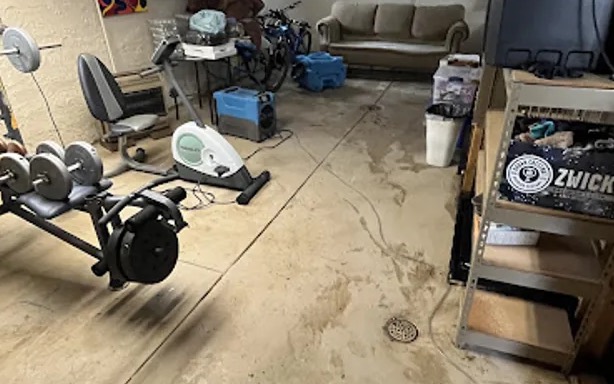
After water extraction is complete, the professional drying phase begins. Air movers and dehumidifiers are placed strategically to remove moisture from walls, floors, and contents, with daily logs often tracking the progress toward dryness.
Industrial Sewage Backup Cleanup
A sewage spill requires immediate containment. The pros use antimicrobial agents and PPE, focusing on floor drains and sanitary lines.
Factory Fire Damage Water Cleanup
Firefighting water cleanup involves removing moisture from complex machinery. The pros use extraction wands and wet vacuums designed for sensitive areas.
Common Signals for Factory Damage Restoration
Soggy Insulation in Walls
Wet insulation loses its thermal value and can foster mold. Industrial property restoration involves removing and replacing it.
High Humidity Readings Inside
High moisture meter readings mean the building needs drying. Hidden dampness can ruin inventory.
Storm Damaged Loading Docks
Wind-driven rain flooding entryways needs storm damage factory repair. Industrial water damage restoration secures the building envelope.
Warped Factory Wall Panels
Warping or bubbling on walls points to ongoing water intrusion. A factory moisture inspection can find the source.
How Factory Damage Restoration Works in Los Angeles
Step 1: Emergency Factory Water Extraction
The pros are available 24/7 to remove standing flood water and sewage. Industrial pumps and extractors are used for water removal.
Step 2: Industrial Moisture Mapping
Using moisture meters, pros create a map of damp areas in walls and floors. This guides the commercial building drying services plan for your facility.
Step 3: Commercial Drying and Dehumidification
Industrial air movers and dehumidifiers are placed to dry the structure thoroughly. This prevents mold and warping.
Step 4: Factory Sanitization and Cleaning
Affected surfaces are cleaned and sanitized, especially after sewage or mold. This completes the industrial property restoration for a safe work environment.
What Causes Factory Damage in Los Angeles
Fire Suppression System Activation
Sprinklers putting out a fire leave behind significant water. Factory fire damage water cleanup handles both soot and moisture removal.
Overland Flooding Into the Building
Nearby water bodies overflowing can inundate ground-floor factory spaces. Water removal gets the business running again.
Burst Pipes in Process Lines
High-pressure water or steam lines can fail, spraying the area. The pros contain the leak and extract the water.
Industrial Sewage Line Backup
Blocked main sewer lines can force contaminated water back into the facility. Sewage cleanup factory services sanitize and restore the space.
Factory Damage Restoration for Commercial Properties in Los Angeles
Factory Damage Restoration for Homeowners
In a home, mold often grows in hidden cavities like behind walls or under sinks, primarily affecting indoor air quality. The pros establish containment and safely remove the contaminated materials to address the health concern for occupants.
Factory Damage Restoration for Owners and Facility Managers
In a factory setting, mold can spread rapidly through ventilation systems and onto stored products or raw materials. Industrial mold remediation services address large-scale contamination with containment and air scrubbing to maintain a safe, compliant work environment and protect inventory.
Factory Damage Restoration vs. DIY: When to Call Local Experts
If safe, you can move small items away from the water and turn off electricity to the affected area. For any standing water or suspected mold, call the pros for factory flood cleanup to prevent harm.
Cost Considerations for Factory Damage Restoration in Los Angeles
Industrial water damage restoration costs consider the source, whether from storm damage, a roof leak, or sewage. Contaminated water like sewage backup cleanup requires more intensive decontamination protocols.
Secondary Damage
Mold growth from delayed response or hidden moisture from a factory storm damage water removal job requires additional remediation.
Material Contamination
Sewage or chemical contamination calls for extra cleanup and decontamination steps, which raise disposal and labor costs.
Affected Square Footage
Larger factory floors and warehouse spaces need more drying equipment and more labor hours.
Does Insurance Cover Factory Damage Restoration?
For industrial mold remediation services, coverage typically requires a direct link to a covered water damage event. The pros document the moisture source and the mold growth extent. You must review your policy with your insurer, as mold coverage has specific limitations.
Reasons for Local Factory Damage Restoration in Los Angeles
Containment Protocols
For industrial mold removal, containment barriers and negative air pressure prevent spore spread to unaffected areas of your facility.
Sewage Safety Procedures
Industrial sewage backup cleanup employs proper PPE and EPA-registered disinfectants to address hazardous biological contaminants safely.
Detailed Documentation
Photos and moisture logs from start to finish support your insurance claim.
24/7 Factory Damage Restoration in Los Angeles
For commercial disaster recovery after a water, fire, or mold event, the emergency number (323) 736-5640 can be called. This typically reaches the pros in Los Angeles for an initial assessment and response.
Call Now (323) 736-5640Factory Damage Restoration Across Los Angeles and Neighboring Towns
Local pros handle industrial water damage in Los Angeles and nearby communities such as Vernon, Maywood and Commerce. Services include factory flood cleanup, storm damage repair, and mold remediation.
Factory Damage Restoration Common Questions
How is factory fire damage restoration different?
It addresses both fire residues like soot and secondary water damage from suppression efforts. Removing the water from firefighting is part of the restoration.
What is included in factory damage restoration?
The process typically involves water extraction, structural drying, decontamination for sewage or mold, soot cleanup for fire damage, and final verification through commercial moisture inspection.
What safety measures are taken during factory mold removal?
Containment barriers, negative air machines, and proper respirators are used to isolate the work area and prevent spore spread during industrial mold remediation services.
How does industrial property restoration minimize downtime?
Drying and cleanup are done in priority order, so finished sections of the plant can reopen sooner.
What are the risks of delayed factory flood cleanup?
Delays increase risks of mold growth, metal corrosion, electrical hazards, and structural weakening. Fast commercial water removal limits secondary damage and business interruption.