Los Angeles, CA · Los Angeles County
Warehouse Damage Restoration in Los Angeles, CAWarehouse Sewage Backup Cleanup & Warehouse Water Damage Cleanup
Warehouse Damage Restoration in Los Angeles covers warehouse flood water extraction, warehouse sewage backup cleanup and warehouse structural drying.
Answered 24/7
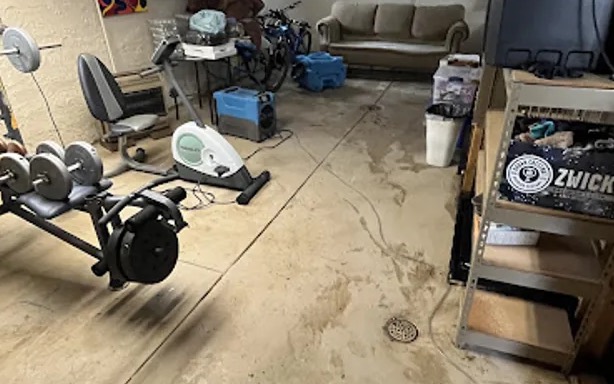
Expert Warehouse Damage Restoration in Los Angeles, California
Water or fire in a Los Angeles warehouse can stop shipping, ruin stock and soak concrete slabs and walls. Local warehouse water removal experts remove water and dry the building with industrial equipment so operations can restart.
In Los Angeles, damp areas in a warehouse can affect air across the facility through ventilation. The experts dry these areas and clean up after fires in nearby zones like Vernon, Maywood and Commerce.
Complete Warehouse Restoration Solutions in Los Angeles
Warehouse Sewage Backup Cleanup
Pros remove materials soaked by sewage and treat the space with antimicrobial products before work resumes.
Warehouse Water Damage Cleanup
Pros dry affected materials with commercial equipment and take photos and readings for your records.
Emergency Warehouse Water Removal
Large-scale pumps and vacuums handle big leaks and floods, shortening the drying time that follows.
Warehouse Mold Remediation Services
Pros contain damp areas, remove soaked porous materials and HEPA vacuum to keep dust out of clean zones.
Warehouse Flood Water Extraction
Industrial pumps remove standing water from large warehouse floors quickly, protecting stock and materials in Los Angeles.
Indicators for Emergency Warehouse Water Removal
Visible Mold Growth
Dark spots on walls or stored goods show areas that have stayed wet for too long.
Standing Water in Aisles
Puddles or pooled water in warehouse aisles point to flooding or a leak that needs extraction.
Wet or Damaged Inventory
Wet boxes or goods are a clear sign of water intrusion that needs fast attention.
Unpleasant Sewage Odors
Foul smells in a warehouse often mean a sewage backup that needs professional cleanup.
How Warehouse Damage Restoration Works in Los Angeles
Step 1: Site Assessment and Tarping
Pros check safety, document damage and tarp the roof if needed to keep more water out.
Step 2: Contaminated Water Cleanup
For sewage, pros clean and disinfect with EPA-registered products to remove health hazards.
Step 3: Targeted Warehouse Drying Services
Drying equipment targets wet columns, walls and subfloors, with readings taken regularly.
Step 4: Soot and Odor Removal
After a fire, pros remove soot with dry-ice blasting or chemical sponges and treat odors.
Common Causes of Warehouse Water Damage
Roof Leaks From Storms
Heavy wind and rain can breach a warehouse roof and let water run down walls and onto racking and stock.
Electrical Fires From Faulty Wiring
Old or overloaded wiring can start fires that need soot cleanup and drying of firefighting water afterward.
Foundation Cracks and Seepage
Groundwater pushed through slab cracks keeps floors damp and stains stock sitting on pallets near the walls.
Loading Dock Door Failures
A damaged dock door or failed seal lets wind-driven rain into the warehouse and onto the loading area floor.
Warehouse-Specific Damage Restoration in Los Angeles
Water Damage Help for Homes
Storm damage to a detached garage needs tarping and water removal first, then drying and repairs to the structure.
Warehouse Damage Restoration for Owners and Managers
Warehouse storm restoration includes temporary roof repairs, extracting water from large floors and structural drying of the whole building.
Warehouse Damage Restoration vs. DIY: When to Call Local Pros
Small amounts of clean water from a minor leak can be mopped up. If the water came from sewage or a flood, avoid contact and call cleanup specialists to handle it.
Pricing for Warehouse Damage Restoration Services
The type of water, from clean water to sewage, and the safety steps it requires affect the cost in Los Angeles.
Structural Repairs Needed
Costs rise if drying reveals damaged columns, walls or floors that need repair.
Damage Severity and Category
Sewage or heavy fire damage needs more intensive cleanup than a minor clean water leak.
Hazardous Material Handling
Chemical residue or contaminated materials need containment and special disposal steps by trained pros.
Does Insurance Cover Warehouse Damage Restoration?
Coverage depends on your commercial policy and the cause of loss. The experts document the damage with photos and readings for the claim, so confirm coverage with your insurer.
Why Choose Local Warehouse Restoration Pros in Los Angeles
Containment Procedures
Containment keeps dust and debris from spreading into unaffected parts of the warehouse.
Coordinated Service Scope
Water removal, drying and cleaning are planned as one coordinated sequence for the building.
Detailed Moisture Documentation
Moisture inspection and mapping give a clear record of the damage and the drying progress.
24/7 Emergency Warehouse Damage Restoration in Los Angeles
A major water incident in an industrial building needs fast action to prevent damage and downtime. For structural drying in Los Angeles, call (323) 736-5640 24/7.
Call Now (323) 736-5640Nearby Areas for Warehouse Damage Restoration in Los Angeles
The experts restore warehouses and industrial properties throughout Los Angeles and nearby areas like Vernon, Maywood and Commerce.
Industrial Property Restoration FAQs
What defines industrial storm damage restoration?
Emergency water removal, repairs to the roof and walls and full drying after wind, rain or flooding.
What is involved in warehouse flood water extraction?
Industrial pumps and extractors remove standing water, then moisture mapping guides the structural drying.
What steps are taken for commercial fire damage cleanup?
Securing the building, removing soot and odor and drying the water left from firefighting.
How long does drying a warehouse take?
It depends on the damage and the size of the area, from a few days for small areas to longer for large losses.
How is warehouse sewage backup cleanup handled?
The experts treat sewage as a biohazard, removing contaminated materials, disinfecting and drying thoroughly.